


If you’re looking for the Real Pesto sauce, you’re in the right place!

It’s official: summer has arrived! That’s what they said on TV… but here in the Tuscan countryside, you don’t need the news to know. You can feel it everywhere. The warm sun, the fresh air, the sound of nature waking up… that’s what summer really smells like to me.
With all this sunshine, my basil is thriving—lush, vibrant, and full of flavor. I picked it this morning, washed it carefully, and brought it with me to a private dinner for a wonderful, cheerful and friendly family. .
Tonight, that fresh basil will become the star of one of Italy’s most beloved sauces: authentic pesto, tossed with perfectly cooked pasta.
I’ve shared two pesto recipes with you:
🌿 The traditional version, made the classic way (it takes a little more time, but it’s a beautiful experience).
🌿 A quick, modern version that’s easy to make and still incredibly creamy, fragrant, and delicious.
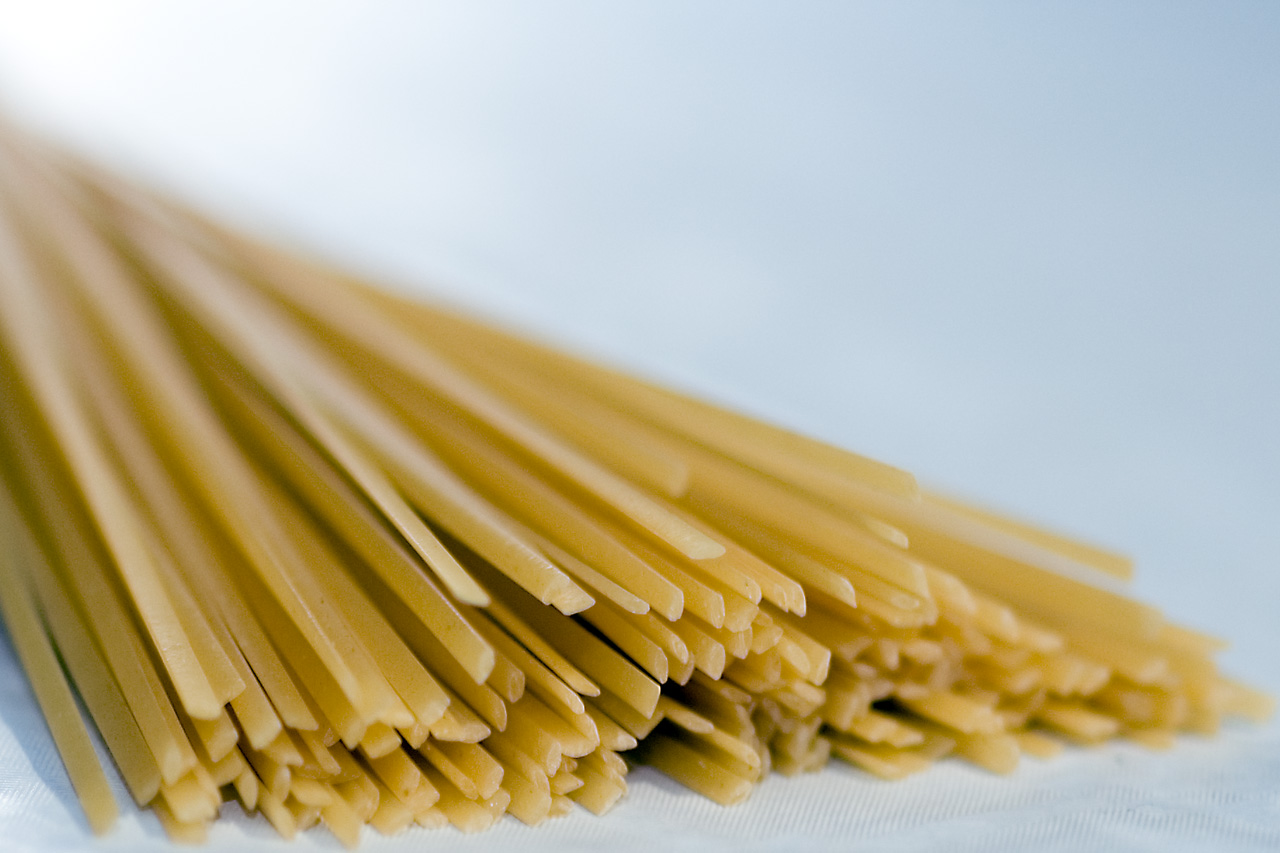
And if you’re not sure which pasta to pair with pesto, don’t worry—I also included my favorite pasta shapes at the bottom of the recipe card.
Enjoy… and bring a little taste of an Italian summer into your kitchen! 🇮🇹☀️
 |
| Terricciola |
 |
| Preparing Pesto sauce in a Blender |
Fresh Basil Pesto for Pasta
Recipe by Erika Elia
Prep Time: 10 minutes
Cook Time: None
Ingredients
- 50 g (about 2 oz) fresh basil leaves, preferably young and tender
- ½ cup extra virgin olive oil
- 6 tbsp grated Parmigiano Reggiano
- 2 tbsp grated Pecorino Romano
- 2 garlic cloves
- 1 tbsp pine nuts (if you like: almonds. nuts, walnuts)
- A few grains of coarse salt
Traditional Genoese Method (the real pesto sauce)
Authentic Genovese pesto is made using a marble mortar and a wooden pestle. It requires patience, care, and a little love.
The first written recipe for pesto dates back to the mid-1800s, and although many modern shortcuts exist, the traditional technique has remained virtually unchanged.
Wash the basil leaves in cold water and gently dry them on a clean kitchen towel.
Place one garlic clove in the mortar for about every 30 basil leaves and crush it together with a few grains of coarse salt until smooth.
Add the basil gradually—not all at once—and begin working it with slow, gentle circular movements. Avoid pounding the leaves. Instead, rotate the pestle against the sides of the mortar to gently tear the leaves. This preserves the essential oils contained in the veins of the basil, giving the pesto its incredible aroma and vibrant green color.
Once the basil releases a bright green paste, add the pine nuts and continue grinding until smooth.
Next, stir in the grated Parmigiano Reggiano and Pecorino Romano.
Finally, slowly drizzle in the extra virgin olive oil while continuing to mix until the pesto becomes creamy and well combined.
Tip: Work at room temperature and prepare the pesto as quickly as possible to prevent the basil from oxidizing and losing its beautiful green color.
Quick & Easy Pesto (Creamy and Delicious)
This version is perfect when you’re short on time and still want an authentic, flavorful pesto.
- Wash and thoroughly dry the basil leaves.
- Peel the garlic cloves.
- Place half of the basil leaves in a blender.
- Add the garlic.
- Add the pine nuts (reserve a few whole pine nuts for garnish if desired).
- Add the Parmigiano Reggiano and Pecorino Romano.
- Pour in half of the olive oil.
- Add the remaining basil leaves.
- Blend for about 10 seconds while slowly pouring in the remaining olive oil.
- Taste and season with salt if needed.
Your pesto should be smooth, creamy, fragrant, and ready to toss with freshly cooked pasta.
Best Pasta Shapes for Pesto
Pesto pairs beautifully with:
Chef’s Tip: Reserve a little of the pasta cooking water and stir it into the pesto before mixing with the pasta. It creates an incredibly silky sauce that coats every bite perfectly.
 |
| Private Dinner in Terricciola |



Leave a Reply